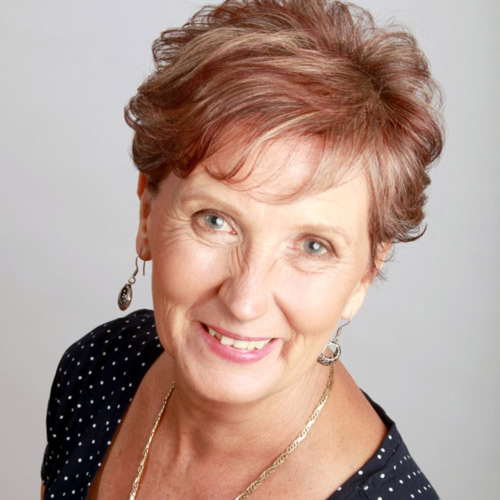
At the age of 3 my youngest daughter was labelled with ADHD. Doctors were not very helpful toward my daughter or us as parents and medication seemed the only way. My gut instinct told me we could do something different rather than give her meds. I found a wonderful nutritionist who helped us work wonders with our “destructive” 3 year old. Nutrition was the key to settling her tantrums and increasing concentration. She also helped us understand that she was a wonderful free spirit who loved the outdoors and needed space. However by understanding how her behavior could improve by being aware of the environment she was in and communicating with her in a structured way, this made her feel safer and she therefore became more obliging. It makes perfect sense to me that children don’t need medications to control their behavior but a learning of self-control early in their lives. Children need structure, routine and an understanding of their place in the family. If parents could be better educated in understanding that the first 7 yrs of a child’s life will set their beliefs and behavioural patterns for life, we may not have as many problems with children and teenagers in our society today. My daughter, now 25 yrs old, is a wonderful special care and paediatric nurse at one of Melbourne’s largest hospitals….who would have thought that she would have become so successful
This is an article I came across recently which I found very interesting and would love you to read…
“In the United States, at least 9% of school-aged children have been diagnosed with ADHD, and are taking pharmaceutical medications. In France, the percentage of kids diagnosed and medicated for ADHD is less than .5%. How come the epidemic of ADHD—which has become firmly established in the United States—has almost completely passed over children in France?
Is ADHD a biological-neurological disorder? Surprisingly, the answer to this question depends on whether you live in France or in the United States. In the United States, child psychiatrists consider ADHD to be a biological disorder with biological causes. The preferred treatment is also biological–psycho stimulant medications such as Ritalin and Adderall.
French child psychiatrists, on the other hand, view ADHD as a medical condition that has psycho-social and situational causes. Instead of treating children’s focusing and behavioral problems with drugs, French doctors prefer to look for the underlying issue that is causing the child distress—not in the child’s brain but in the child’s social context. They then choose to treat the underlying social context problem with psychotherapy or family counseling. This is a very different way of seeing things from the American tendency to attribute all symptoms to a biological dysfunction such as a chemical imbalance in the child’s brain.
The French holistic, psycho-social approach also allows for considering nutritional causes for ADHD-type symptoms—specifically the fact that the behavior of some children is worsened after eating foods with artificial colors, certain preservatives, and/or allergens. Clinicians who work with troubled children in this country—not to mention parents of many ADHD kids—are well aware that dietary interventions can sometimes help a child’s problem. In the United States, the strict focus on pharmaceutical treatment of ADHD, however, encourages clinicians to ignore the influence of dietary factors on children’s behavior.
From the time their children are born, French parents provide them with a firm structure. Children don’t snack whenever they want. Mealtimes are at four specific times of the day. French children learn to wait patiently for meals, rather than eating snack foods whenever they feel like it. French babies, too, are expected to conform to limits set by parents and not by their crying selves. French parents let their babies “cry it out” if they are not sleeping through the night at the age of four months.
French parents have a different philosophy of discipline. Consistently enforced limits, in the French view, make children feel safe and secure. Clear limits, they believe, actually make a child feel happier and safer—something that is congruent with my own experience as both a therapist and a parent. Finally, French parents believe that hearing the word “no” rescues children from the “tyranny of their own desires.” And spanking, when used judiciously, is not considered child abuse in France.”
Article published on http://www.psychologytoday.com/blog/suffer-the-children/201203/why-french-kids-dont-have-adhd
By Manuela Picinich
Clinical Hypnotherapist